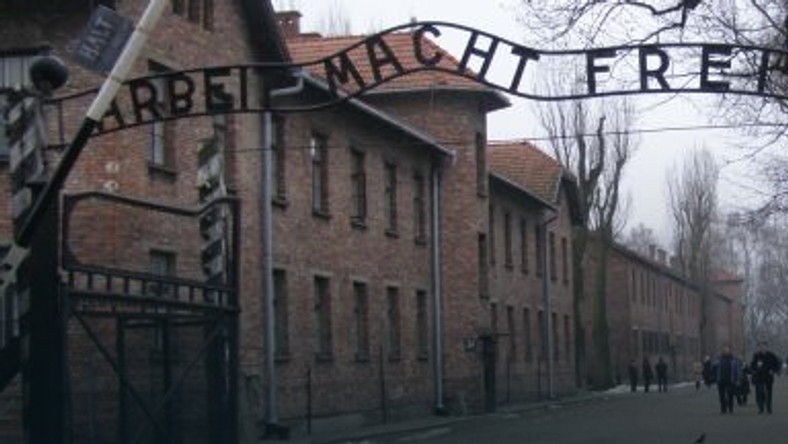
Photo: Onet
Gate of death in Auschwitz
In all previous processes of Nazi crimes public opinion was waiting with hope for the human word from defendants, on the admission of guilt, but these hopes were not fulfilled. – There was no admission of guilt, or remorse, or request for forgiveness – writes “Sueddeutsche Zeitung”.
Nazi henchmen or refuse to testify, or claimed to be innocent or referred to the orders – said in a commentary. Groening had acted differently. Accused at least recognized “with humility and contrition” his moral complicity for mass murder at Auschwitz. This is a new emphasis on the legal history of spec settlement with Nazi crimes – emphasizes the author of the comment.
The history of lawsuits against the Nazis is a “terrible and sad”, and consists of a refractory justice “punishments involving stroking Nazi murderers,” he said philosopher Ernst Bloch, and the rule that “one dead represents 10 minutes in jail,” as one of the prosecutors said.
This process is important and necessary, if only because of the defendant’s admission of guilt and his request for forgiveness – concludes, “Sueddeutsche Zeitung”.
According to “Die Welt” trial of 93-year-old does not actually much sense. Action and punishment should be temporally linked – recalls the author Henryk Broder. How can you punish the offender, accused of aiding and abetting in the killing of 300 thousand. people if his age probably will not allow it, to read it in its entirety reasons for the judgment? – Asks commentator. He adds that the offender has not committed since 1945 no crime, so you can consider it institutionalized person, and yet the criminal justice system should not serve vengeance but rehabilitation.
The only meaning of this process is a reminder that the German judiciary has done little to punish criminals, when I could have done – Broder writes. Recalls that in 1967 “due to lack of evidence” discontinued proceedings against SS man who 18 days before the end of the war he helped hang the pipe from the central heating in the basement of Hamburg 20 Jewish children. It is a disgrace German justice, which can not wipe away the late akcyjność – says “Die Welt”.
The existing processes Auschwitz Nazi rule in force “forget, push the memory, remain silent” – writes “Volksstimme” from Magdeburg. Lueneburgu process on the first day gave a different picture. Although Groening has not gone so far as to recognize their individual criminal responsibility, at least made an attempt to face up to its fault – we read in the comments. For victims who survived the camp, his attitude may be a “small compensation”. Even so it is important that 70 years after the Holocaust took place, however, to this process.
This year we celebrate 70th anniversary of the end of World War II – writes “Berliner Zeitung”. Germany learned after the war “in an appropriate manner and with due humility” to remember the past. Examples are presidents – from Richard von Weizsaecker to Joachim Gauck. – That’s good. But sometimes embraces anxiety that perfect handling cruelty disappears anniversary of German atrocities – notes the author of the comment. Today’s 15- and 30-year-olds can not imagine that a country that is now a “model of civilization and democracy, once raised his cruelty to the rank of raison d’etat.”
writes “Berliner Zeitung”, well it happened that not only memory but also living history “breaks into reality” in the form of 93-year-old man who was involved the murders at Auschwitz. For those who do not believe what the Germans were once capable of, it is important to hear that Groening, living in Germany, admitted that he was involved.
– From the German pedantry Oskar Groening manage money and suitcases victims. He cared for it to come (to the camp) and not sensing anything go to the gas chambers. The more important it is that as pedantically settle his deeds – says the commentator. In this way, you can not fix anything, but you should at least keep the memory. If murder is not barred, it is even more genocide – writes “Berliner Zeitung”.
(br)


No comments:
Post a Comment